by Lorri | Dec 26, 2012 | UnCorked
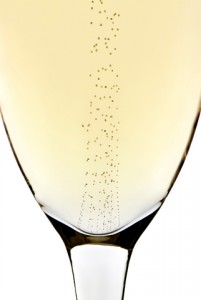 Following the hectic bustle of Christmas shopping, travel and choices galore, it’s refreshing knowing that buying the ideal wine for New Year’s Eve is an uncomplicated decision. The tradition poured into the magical midnight toast only seems possible if you see tiny bubbles dancing in the glass. Not to say other wines, beers and spirits are not welcome at the occasion, but something about the sound of Champagne flutes clinking in a toast as the clock strikes midnight makes it an unquestionable choice.
THE HISTORY
Our fascination with Champagne is linked to its long history and an extensive list of contributors along the way, Dom Perignon undeniably the most famous. But a few other discoveries had to come before Perignon could declare: “Brothers, brothers, come quickly for I am seeing stars.”
Two of those developments occurred around the same time – the development of stronger glass for the bottle and an airtight cork closure. Before the
17th century, wine was stored in casks and individuals took their own fragile bottles to local wine merchants, where they were filled and an oil soaked rag acted as the cork. Things changed when King James I requested that Sir Robert Mansell, an Admiral of the Fleet, stop using wood for heating the furnaces that produced glass because of his fear they would not have enough oak for shipbuilding. Wood was replaced by sea coal, which created a higher temperature and produced a stronger glass. About the same time, cork was discovered and replaced the oil-soaked rag, and voila, the industry was on its way to what we think of when we drink modern-day Champagne.
THE BOTTLE SIZE
A typical Champagne bottle is 750 milliliters; however, many other bottle sizes exist. The rare sizes are also known by the names of biblical kings:
Magnum (1.5 liters), Jeroboam (3 liters), Rehoboam (4.5 liters) Methuselah (6 liters), Salmanazar (9 liters), Balthazar (12 liters), Nebuchadnezzar (15 liters) and the rare Sovereign, which holds 125 glasses for your guests.
THE TOAST
The toast is also part of the tradition and magic of Champagne, sparkling wine or anything that bubbles. As early as the sixth century B.C.- the Greeks were toasting to good health, longevity and loved ones. The gesture was not simply symbolic, as are today’s toasts, but much more literal and practical. Sixth-century wine drinkers were often served intentionally poisoned vino – a common way of dispatching a rival or solving social problems. Thus began the custom of the host pouringwine into a glass, taking a drink and then toasting while raising his glass to friends and guests.
The modern-day toast is not as complicated, but there are a few simple tips to remember. Be simple and meaningful to those who you are offering the toast, stand and be brief, and end on a positive note by offering “cheers” or “raise your glass” for those you are toasting.
THE LABELS
The label can be the trickiest part for consumers. Most Champagne or sparkling wine will be brut, which means dry, but also you’ll see sec (which literally means dry) but in terms of Champagne means off-dry. Demi-sec is a medium-dry style, with noticeable sweetness. The sweetest are douz and moelleux.
by Lorri | Aug 1, 2012 | UnCorked
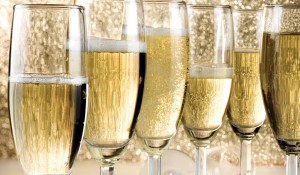
A few weeks ago a friend asked for my advice on the perfect drink to celebrate the high points in life. It’s always interesting because I want to blurt out, “Champagne, of course,” but then I remember many other sparkling wines are equally appropriate to deliver the celebratory pop!
I consider a wedding the most important celebratory event of most of our lives. If you are going to splurge for Champagne, this is the occasion to do it. Events with a large number of guests are where this splurge becomes a challenge. Remember it doesn’t need to be the same brand or bottle served throughout the reception. People tend to remember tasting the first and last glass of the celebration, so remember this timing when considering the budget.
The golden wedding anniversary celebration deserves the paramount. But because the guest list will likely include several generations, it’s best to stay with familiar styles your guest will enjoy. These may be slightly sweeter or off-dry. Keep in mind this is also a group more likely than most to appreciate a vintage Champagne or a special bottle you’ve been holding out for the occasion.
A 21st-birthday celebration generally will involve younger guests and most likely not all able to savor the bubbly. For those who have cellared a wine for the occasion this is the ideal moment for your vintage Champagne to be opened. To keep things festive for everyone, consider serving an alcohol-free sparkling beverage.
Some christenings and bar mitzvahs are celebrated during the day and can stay with a more casual wine like a California sparkling or Spanish cava. If the menu includes sweets, a Moscato d’Asti will not only be an ideal pairing but a safe wine for serving a diverse crowd.
by Lorri | Jan 18, 2012 | UnCorked
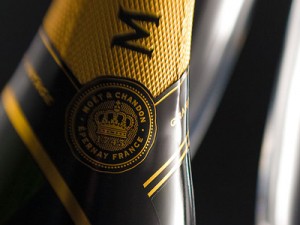 Champagne gets the most attention in December in the anticipation of Christmas and New Year’s Eve. And maybe a second glance when planning a big celebration. But more and more, consumers are realizing that the bubbly fits into everyday occasions, too.
Most people think of Champagne as being one distinct taste, but in reality there are many different styles. This can be confusing for consumers who are not adept at deciphering labels.
Most Champagne or sparkling wine on the shelves is brut, which means dry, but also you’ll see sec (literally dry), which in vino-speak means off-dry. Demi-sec is a medium dry style with noticeable sweetness, and the sweetest are douz and moelleux.
With so many styles to choose, it can seem a little overwhelming. To make the choice simple, consider the food.
The following pairings are just some of the diverse everyday foods that champagne can complement.
Extra brut, brut and sec go best with salty foods like popcorn, shrimp, salmon, potato chips, sushi, brie and gouda cheese, nuts, oysters, lobster bisque, curry, fried foods, pancakes, quiche, eel, scrambled eggs, olives, sashimi.
Demi-sec stands up to the spice and richness of Asian cuisine, almonds, sausage, smoked salmon, crab, eggs benedict, lobster, pate, sweetbread, peaches, lamb.
Douz and moelleux are ideal for desserts, whether with light ones like fresh raspberries or rich ones like cheesecake. Anything sweet will pair well with douz and moelleux.
THE VALUES
- NV Nicolas Feuillatte Brut, France (about $57 retail)
- NV Moet and Chandon Brut Imperial, France (about $70 retail)
THE SPLURGES
- NV Pol Roger Brut Reserve, France (about $82 retail)
- NV Taittinger Nocturne Sec, France (about $99 retail)
- NV Veuve Clicquot Demi Sec, France (about $75 retail)
by Lorri | Dec 28, 2011 | UnCorked
 When it comes to opening a bottle of champagne, you’re probably more worried about your toast falling flat than one of your guests.
Think again. Ricocheting and rocketing champagne corks are responsible for a surprising number of emergency room visits each year, according to the American Academy of Ophthalmology. And there’s no quicker way to dampen a party mood than by giving your best friend a black eye or worse, permanent eye damage.
There is an art to opening a bottle of sparkling wine smoothly and safely. The primary focus is cork control, because at 72 pounds per square inch, there is double the pressure in a bottle of sparkling wine than in a car tire. So for starters, never point the bottle at anyone or anything and don’t shake the bottle.
Warm champagne in a bottle that has been shaken is as dangerous as a loaded gun. If the bottle has been moved around a lot (and time is limited) place the bottle in the freezer for about 30 minutes to stabilize the pressure. Champagne or sparkling wine needs to be slightly cold when opened; for a short period it reduces the pressure and makes it marginally safer to open.
To open, hold down the cork with the palm of your hand and untwist the wire located on the neck of the bottle and remove it along with the foil covering the cork. Whenever possible hold your thumb over the top of the cork in case it pops unexpectedly. Tip the bottle away from your face at a 45-degree angle. Grasp the cork between your thumb and index finger, with your other hand gripping the base of the bottle; then gently twist the bottle, not the cork. When you twist the bottle you have more control.
At this point as the cork is released it should make a “hissing sigh” rather than a “pop.” The only thing left is to celebrate!
THE VALUES
- NV Torresella Prosecco, Italy (about $18 retail)
- NV Francis Ford Coppola Sofia Blanc de Blanc, California (about $21 retail)
- NV Clos de Nouys Vouvray Sec, France (about $25 retail)
THE SPLURGES
- 2007 Domaine Carneros Brut, California (about $35 retail)
- NV Veuve Cliquot Yellow Label, France (about $70 retail)
by Lorri | Apr 13, 2011 | UnCorked
 Many people relate wedding receptions with the sparkling, festive bubbles of Champagne. But many couples are looking to expand the reception offerings beyond punch, melt-away mints and cake.
Wine is often the beverage of choice. Consider a red and a white choice for receptions with a meal or heavy hors d’oeuvres. For diversity offer both even if the food pairing seems obvious. Or consider the increasingly fashionable dry rose if you are serving a single wine throughout the reception.
Sticking to a budget is a top concern for many couples, and supplying your own wine is one way to save. But before buying wine, check with the reception venue to ensure you’re allowed to provide your own wine. Local and state laws vary, as do individual venue rules, and some will require that you buy from their list or be charged a corkage fee. This charge can range from $5 to $20 per bottle. What seemed to be bargain at your local retail shop might not be once these additional fees are tallied.
As far as how much to buy, it’s better to have too much wine than to come up short. Exactly how much wine to buy depends on the time of day, number of guests and overall format of your reception. A daytime toast with wedding cake will require considerably less wine than an evening of dinner and dancing. For evening receptions, most wedding planners plan on each guest drinking two glasses of wine every two hours. This formula takes into account those who drink less or not at all and those who drink more.
The following recommendations include both bubbly and non-bubbly options.
THE VALUES
- NV Seaview Brut Sparkling Wine, Australia (about $10 retail)
- 2010 Cline Cellars North Coast Viognier, California (about $12 retail)
- 2010 Argyle Chardonnay, Oregon (about $13 retail)
- 2010 Yalumba Oxford Landing Merlot, Australia (about $10 retail)
- 2010 La Vieille Ferme Blanc, France (about $10 retail)
THE SPLURGES
- 2010 Erath Pinto Gris, Oregon (about $16 retail)
- 2010 Santa Cristina Pinot Grigio, Italy (about $16 retail)
- 2009 Villa Maria Cellar Select Sauvignon Blanc, New Zealand (about $25 retail)
- NV Domaine Chandon Blanc de Noirs, California (around $36 retail)